
Insights
In order to maximise production results in the livestock industry, it is important to understand the challenges that animals face.
Solutions through the feed can support growth, health and overall performance. Let’s delve into the fascinating world of animal nutrition and its importance in agriculture.

Swine Inflammation and Necrosis Syndrome (SINS) in pigs: the role of endotoxins
Modern swine production faces a growing challenge in Swine Inflammation and Necrosis Syndrome (SINS), a condition where piglets exhibit inflammation and tissue decay in the ears, tails, and hoofs, often without any signs of physical trauma from pen mates.
Recent research highlighted by Nutrex identifies endotoxins (Lipopolysaccharides or LPS) as a primary physiological trigger.
When the gut barrier is compromised (leaky gut), these bacterial toxins enter the bloodstream, initiating a systemic inflammatory response. This “hidden” inflammation redirects vital nutrients and energy away from growth and toward the immune system, leading to microcirculatory disruptions, performance losses and welfare concerns.
To combat these effects, the article explores the role of EndoBan®, a specialized solution designed to neutralize endotoxins within the gastrointestinal tract and reinforce gut integrity. By mitigating the “endotoxin load,” producers can reduce the incidence of SINS and ensure that nutrients are utilized for what matters most: optimal animal performance and health.
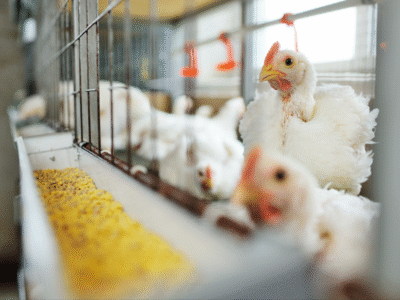
The challenge and management of broiler intestinal health in a reduced-antibiotic era
Maintaining intestinal health is a critical challenge in antibiotics-free (ABF) broiler production.
As poultry producers reduce or eliminate antibiotics to meet regulatory requirements and consumer demand, intestinal disorders such as dysbiosis, coccidiosis, and necrotic enteritis are becoming more prevalent. A healthy gut is essential for nutrient absorption, feed efficiency, immune function, and overall bird performance.
In ABF systems, producers must rely on alternative strategies to support gut integrity, including optimized nutrition, biosecurity, vaccination programs, and management practices that promote a balanced gut microbiome.
Monitoring early warning signs, such as litter quality, droppings, and footpad lesions, enables timely intervention, reducing the risk of disease outbreaks and performance losses.
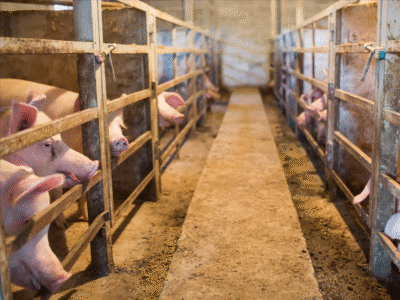
Unraveling the pig’s gut and its disorders
A healthy gut is the cornerstone of swine health, growth, and profitability.
Beyond digestion, the gastrointestinal tract (GIT) acts as the pig’s first line of defense against pathogens and toxins, influencing nutrient absorption, immune function, and overall resilience. Disruptions to gut integrity, commonly known as “leaky gut”, trigger inflammation, reduce feed efficiency, and compromise growth, directly impacting average daily gain (ADG), feed conversion ratios (FCR), and farm profitability.
Modern pig production strategies now focus on safeguarding gut integrity through optimized nutrition, biosecurity, and stress reduction. By prioritizing gut health at every stage, from birth to finishing, producers can minimize disease, enhance growth performance, improve feed efficiency, and secure long-term profitability.

Nurturing the gut: the foundation of healthy calves
The early days of a calf’s life set the stage for lifelong health and productivity.
At this critical stage, the gut is both the engine of growth and the weakest link – highly susceptible to pathogens, nutritional shifts, and management stressors.
Diarrhea remains the leading cause of illness and death in calves, yet reliance on antibiotics is no longer a sustainable solution in the face of rising antimicrobial resistance and regulatory pressure.
By understanding the calf’s unique digestive physiology and the factors that threaten it, producers can shift from reactive treatments to proactive strategies that nurture gut health, reduce disease risk, and secure the future performance of their herds.