Antioxidants: enhancing pig production efficiency by identifying & reducing oxidative stress effects
Supporting pig growth & performance by strengthening health and resilience
Silent but destructive:
How oxidative stressors steal performance?
In modern pig farming, animals face numerous challenges like heat stress, weaning, pathogen exposure, unbalanced feeds, and toxin contamination. These stressors trigger oxidative stress– a harmful imbalance between protective antioxidants and damaging reactive oxygen species (ROS).
This biochemical imbalance causes cellular damage, promotes inflammation, and significantly reduces growth and production efficiency. Effectively managing oxidative stress is not just about animal welfare – it directly impacts performance, meat quality, and ultimately, your farm’s bottom line.
Why does oxidative stress occur in today’s pig production?
Antioxidants vs. ROS: A battle for performance and health
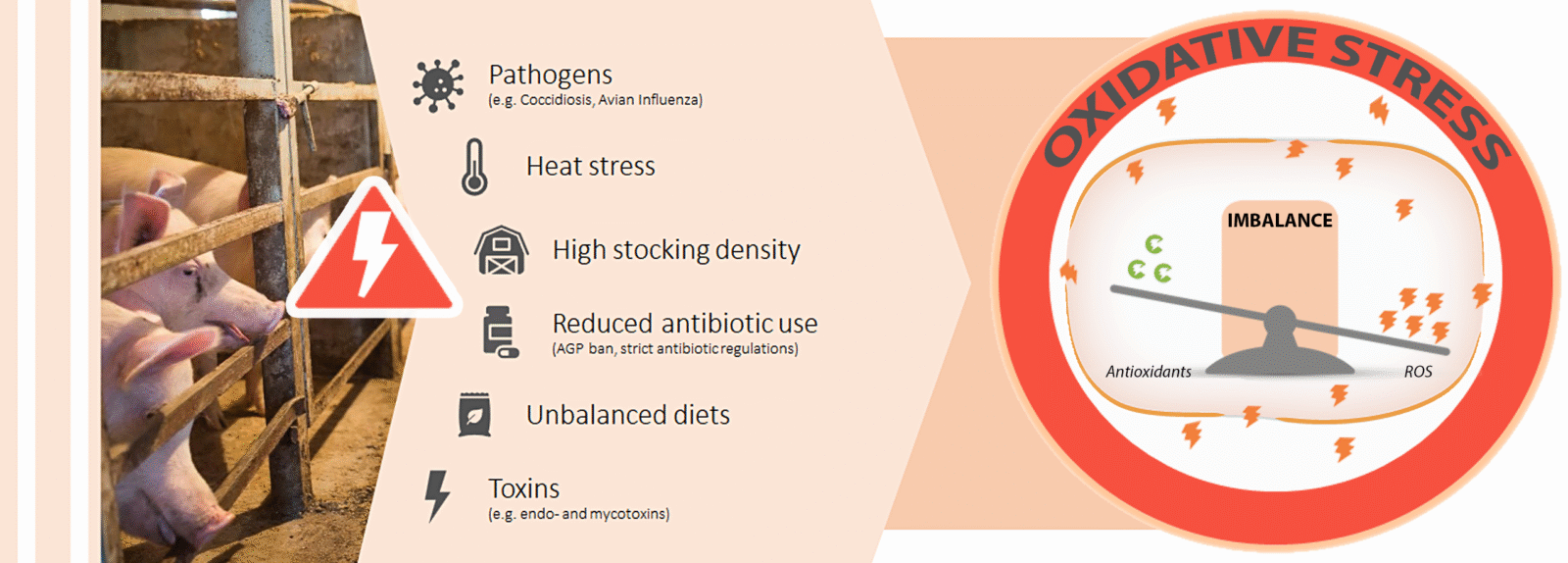
Modern intensive production systems are a breeding ground for oxidative stress. Oxidative stress occurs when there’s an imbalance between the production
of reactive oxygen species (ROS) and the body’s ability to neutralize them with antioxidants. This creates a complex and multifactorial challenge
for pigs (Figure 1).
Several factors contribute to this imbalance. Pathogen exposure from diseases like influenza, E. coli, or Salmonella infections triggers immune responses that generate ROS. Environmental stressors such as high temperatures and overcrowding also prompt physiological responses that increase ROS production.
Metabolically, high feed intake elevates metabolic rates, which naturally produces more ROS as a byproduct. This is exacerbated by poor-quality feeds containing oxidized fats or oils that introduce pre-formed oxidants into the system.
Furthermore, animals in intensive farming environments face greater exposure to endo- and mycotoxins, which stimulate ROS production and further compromise the antioxidant defense mechanisms.
Physiological and economic consequences of oxidative stress
More than a health issue: oxidative stress affects production and profit
WHAT OXIDATIVE STRESS REALLY DOES:
Oxidative stress is a critical factor affecting pig health and production efficiency.
When the balance between protective antioxidants and harmful reactive oxygen species (ROS) is disrupted, cells and tissues suffer damage. This imbalance significantly impacts pig performance, compromising growth rates, immune response, vital organ function, and reproductive performance, ultimately resulting in substantial economic losses.
Long-term exposure to oxidative stress can trigger serious health complications including neurological deterioration, heart problems, liver and kidney damage, metabolic dysfunction, and abnormal behavior patterns.
⚠️ BREAKING DOWN THE DAMAGE:
- Slower growth rates and diminished production efficiency
- Compromised meat quality, including increased drip loss and discoloration
- Weakened immune response
- Decreased milk yield and reproductive performance
- Heightened susceptibility to toxic agents and pathogens
- Disrupted gut integrity and reduced digestive efficiency
- Loss of liver and kidney functionality
How does oxidative stress affect piglets, fattening pigs & sows and what role do antioxidants play?
Piglets
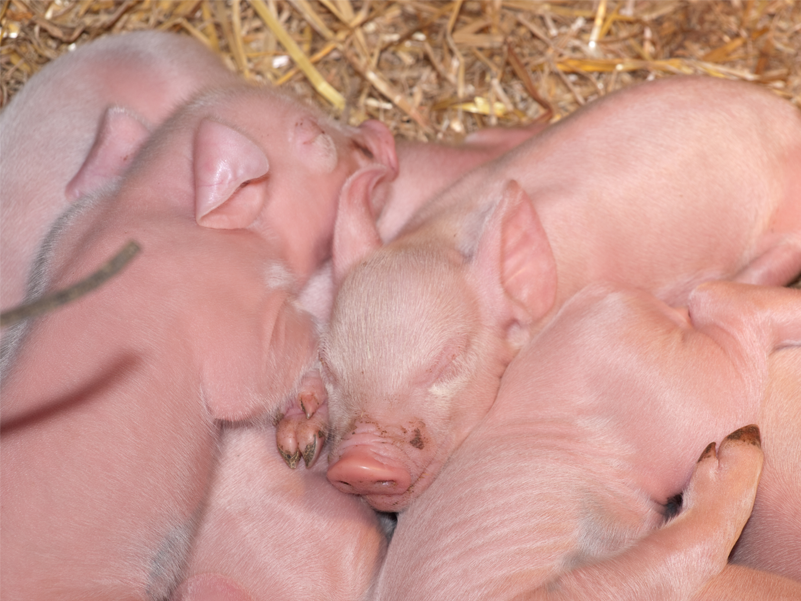
Oxidative stress is a consequence of all kinds of dietary, social and environmental stress during the life of a high-performing animal. In piglets, it is especially noticeable during the weaning phase, when young animals tend to put on less weight and are more susceptible to disease – a phenomenon known as post-weaning stress syndrome.
Oxidative stress in piglets can have profound effects, particularly because their immune and antioxidant systems are still underdeveloped, making them more vulnerable to damage from free radicals.
Here’s an overview of the consequences:
Compromised growth and development
- Reduced growth performance: Oxidative stress impairs cellular metabolism and nutrient utilization, leading to slower growth rates and poor feed efficiency.
- Organ damage: Developing organs, such as the liver, lungs, and intestines, are highly susceptible to oxidative damage, which can disrupt their proper functioning and overall development.
Weakened immune system
- Piglets under oxidative stress often have a suppressed immune response, making them more prone to infections and diseases.
- Oxidative damage to immune cells reduces their ability to fight off pathogens, leading to higher morbidity and mortality rates, especially during the vulnerable pre-weaning and post-weaning periods.
Gut health issues
- Impaired intestinal barrier function: Oxidative stress can damage intestinal cells, increasing gut permeability and leading to “leaky gut syndrome.”
- Increased susceptibility to diarrhea: Gut damage, combined with suppressed immunity, makes piglets more prone to diarrhea caused by pathogens such as E. coli or Clostridium.
- Poor gut health also limits nutrient absorption, further compounding growth and health issues.
Higher pre-weaning mortality
- Oxidative stress can exacerbate conditions like low birth weight, poor thermoregulation, and inadequate colostrum intake, all of which increase the risk of pre-weaning death.
Long-term health effects
- Fetal programming: If piglets were exposed to oxidative stress in utero (due to oxidative stress in the sow), they may have impaired organ development and metabolic issues that persist into adulthood.
- Increased susceptibility to chronic diseases: Early oxidative damage can predispose piglets to metabolic disorders, cardiovascular issues, or inflammatory conditions later in life.
Reduced resilience to stressors
- Piglets experiencing oxidative stress are less able to cope with common stressors, such as weaning, transportation, or environmental changes. This can lead to prolonged stress responses and further health issues.


Fattener
Fattening pigs are particularly susceptible to oxidative stress due to their rapid growth rate, high metabolic demands, and environmental factors like heat.
Main effects are:
Impaired growth performance
- Oxidative stress can damage cellular structures, including lipids, proteins, and DNA. This reduces the efficiency of energy metabolism and nutrient utilization, leading to slower growth rates.
- Pigs experiencing oxidative stress often show reduced feed intake and poor feed conversion efficiency, which directly affects their weight gain.
- Oxidative stress is often linked to other stressors, such as heat stress, poor nutrition, or overcrowding, which can elevate cortisol levels. This leads to further reductions in growth performance and overall well-being.
Weakened immune system
- Chronic oxidative stress weakens the immune system by impairing the function of immune cells.
- This makes pigs more susceptible to infections, diseases, and inflammation, which can further compromise growth and health.
Muscle and meat quality issues
- Oxidative stress can lead to lipid peroxidation in muscle tissues, which damages cell membranes and affects muscle development.
- This can result in poorer meat quality, including reduced tenderness, discoloration, and shorter shelf life due to increased oxidation of fats in the meat.
- change in metabolic processes can induce suboptimal fat deposition and changes in body composition, negatively impacting carcass quality.
Sow
During pregnancy and lactation, sows experience increased metabolic activity to support fetal growth and milk production. This heightened metabolism depletes the reserve of essential nutrients and antioxidants which overwhelm the body’s natural antioxidant defenses.
Oxidation leads to:
Reduced reproductive performance
- Impaired fertility: Oxidative stress can damage oocytes (eggs) and disrupt ovarian function, leading to reduced fertility and lower conception rates.
- Pregnancy complications: Damage to placental tissues caused by oxidative stress can impair nutrient and oxygen transfer to the developing fetuses, leading to smaller litter sizes or stillbirths.
- Hormonal imbalances: Oxidative stress may interfere with the production of reproductive hormones, further reducing reproductive efficiency.
Negative impact on sow health
- Weakened immune system: Chronic oxidative stress suppresses immune function, making sows more prone to infections and inflammatory conditions, such as mastitis or metritis.
- Increased metabolic disorders: Oxidative stress is linked to conditions like ketosis or fatty liver syndrome, particularly during the high-stress periparturient (late pregnancy and early lactation) period.
Reduced milk production and quality
- Oxidative stress can damage mammary tissue, reducing milk yield and quality.
- Poor milk quality affects piglet growth and survival, as they depend on the sow’s milk for essential nutrients and immunity in their early stages of life.
- Research also shows there is a link between oxidative stress and postpartum dysgalactia syndrome (PDS), as well as mastitis, metritis and agalactia (MMA).
Poor offspring development
- Fetal programming: Oxidative stress during pregnancy can interfere with fetal development, leading to low birth weights and increased susceptibility to diseases in piglets later in life. Research literature demonstrates a connection with intrauterine growth retardation (IUGR).
- Weaker piglets: Offspring from sows experiencing oxidative stress often have lower vitality and higher pre-weaning mortality rates.
Shortened productive lifespan
- Chronic oxidative stress can accelerate aging in sows, leading to earlier culling due to health or reproductive performance issues.
- This reduces the sow’s lifetime productivity, which has economic implications for producers.
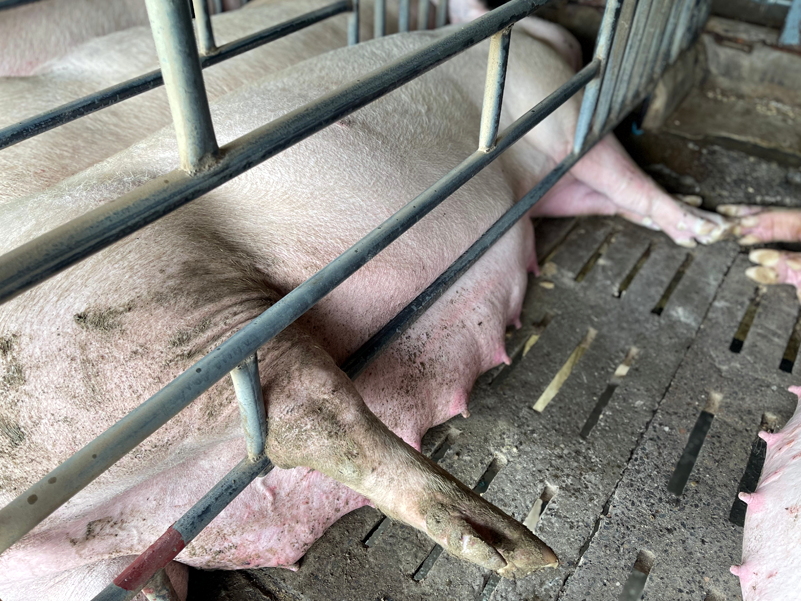


Preventing oxidative damage is crucial for:
- Safeguarding animal welfare by reducing the incidence of oxidative stress–related pathologies
- Enhancing production efficiency by minimizing growth disruptions and maintaining organ functionality
- Promoting long-term sustainability and economic viability in intensive livestock systems through targeted antioxidant strategies and stress mitigation protocols
A multidisciplinary strategy for managing the effects of oxidative stress in modern pig production
Early detection of oxidative stress requires consistent monitoring of herd health indicators. To effectively combat this condition, farmers should implement a comprehensive strategy that addresses multiple factors simultaneously.
This includes:
-
- Optimizing nutrition with balanced feed containing antioxidants, essential minerals, and high-quality fatty acids
- Maintaining ideal environmental conditions with proper temperature control and ventilation
- Implementing robust health protocols including timely vaccinations
- Adopting management practices that minimize stress triggers

Phytogenic antioxidants:
Combating oxidative stress & its effects in pigs
💡Phytogenic supplements offer a particularly promising approach to oxidative stress management. These plant-derived compounds have well-established medicinal benefits and recent research confirms their effectiveness in livestock production.
Their success in countering oxidative damage stems from powerful antioxidant, anti-inflammatory, and antimicrobial properties. Additionally, these natural additives improve digestive function when incorporated into feed formulations.
To conclude
Oxidative stress represents a significant but often hidden challenge in pig production. It can develop from various sources and frequently goes undetected until production efficiency has already declined. Proactive monitoring of herd health indicators is essential for early detection. While addressing oxidative stress requires a comprehensive approach, phytogenic additives have emerged as particularly effective solutions. These plant-derived compounds have demonstrated significant benefits in combating oxidative damage through their powerful antioxidant, anti-inflammatory, and antimicrobial properties, making them valuable tools in modern pig production systems.