
Insights
In order to maximise production results in the livestock industry, it is important to understand the challenges that animals face.
Solutions through the feed can support growth, health and overall performance. Let’s delve into the fascinating world of animal nutrition and its importance in agriculture.

Never underestimate the importance of a healthy gut!
Your livestock’s gut may not seem exciting, but it holds immense power!
These powerhouses affect everything from health to growth.
A healthy gut is crucial for digesting feed, absorbing nutrients, protecting against pathogens, and maintaining a balanced microbial population to enhance animal welfare and performance.
Support it well by feed additives that strengthen intestinal health and reduce antibiotic use.
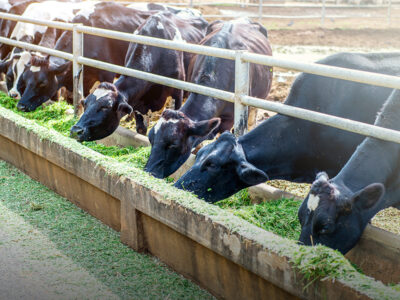
Endotoxins and SARA in dairy cows – A vicious circle
Subacute ruminal acidosis (SARA) is a common and costly disease in high-producing dairy cows, severely affecting their health, welfare, and productivity. The economic consequences are significant.
The pathophysiological consequences of SARA include alterations in rumen microbial composition, impaired fiber digestion, and increased production and absorption of organic acids. These changes often result in the translocation of lipopolysaccharides (LPS; endotoxins) from the rumen into the bloodstream, triggering systemic inflammatory responses that can exacerbate metabolic disturbances. Chronic exposure to these inflammatory mediators has been associated with laminitis, liver abscesses, reduced milk yield, and compromised reproductive performance.
Maintaining rumen balance is crucial for improving cow care and output.

How does oxidative stress affect the overall well-being and productivity of livestock animals?
Intensive livestock production systems expose animals to a variety of environmental and physiological stressors, including elevated ambient temperatures, exposure to dietary or environmental toxins, and increased pathogen load. These stress factors collectively contribute to the onset of oxidative stress, a condition characterized by an imbalance between the generation of reactive oxygen species (ROS) and the capacity of the organism’s antioxidant defense mechanisms to neutralize them.
Livestock relies on oxygen for respiration, a vital process for energy generation. However, this process also produces reactive oxygen species (ROS), which can damage DNA, proteins, and lipids, leading to cellular dysfunction.
Oxidative stress arises when there’s an imbalance between ROS production and the organism’s antioxidant defenses. Poor nutrition and diseases can also trigger this imbalance.
Livestock experiencing oxidative stress show decreased growth rates, lower feed conversion efficiency, reduced reproductive performance, chronic diseases and subsequently, financial losses.
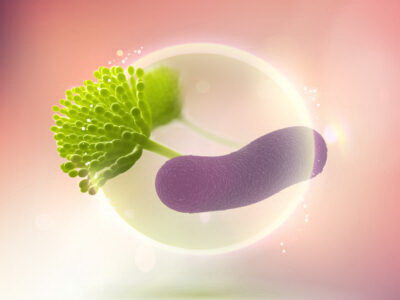
The synergistic effect of mycotoxins and endotoxins
Mycotoxins and endotoxins represent two major categories of biological toxins that adversely affect livestock health and productivity. Mycotoxins are secondary metabolites produced by filamentous fungi commonly found in contaminated feedstuffs, while endotoxins, primarily lipopolysaccharides (LPS), are components of the outer membrane of Gram-negative bacteria residing in the gastrointestinal tract. Both toxins are prevalent in intensive production systems and pose persistent challenges to animal health management.
Emerging evidence indicates that mycotoxins and endotoxins often act synergistically within the gastrointestinal environment, amplifying each other’s toxic effects. Mycotoxins can compromise the integrity of the intestinal epithelium, increasing gut permeability and facilitating the translocation of endotoxins into systemic circulation. This interaction triggers excessive inflammatory responses, oxidative stress, and immune dysregulation, which collectively impair nutrient absorption, growth performance, and overall animal welfare.
Understanding the synergistic mechanisms between these toxins is essential for developing effective mitigation strategies. Comprehensive approaches involving feed quality control, the use of mycotoxin binders, enhancement of gut barrier function, and modulation of the intestinal microbiota can substantially reduce the risks associated with toxin exposure. These measures not only protect animal health but also improve productivity and ensure the safety of animal-derived food products for human consumption.