
Insights
In order to maximise production results in the livestock industry, it is important to understand the challenges that animals face.
Solutions through the feed can support growth, health and overall performance. Let’s delve into the fascinating world of animal nutrition and its importance in agriculture.
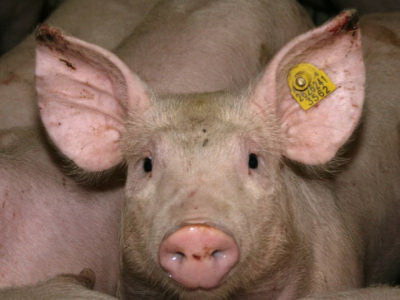
Ear necrosis in pigs – A multifactorial problem.
Ear necrosis is a multifactorial condition observed in pigs, characterized by the progressive degeneration of tissue at the ear tips, where peripheral blood circulation is naturally limited. The condition manifests as discoloration, ulceration, and eventual blackening of the affected tissue due to localized ischemia and necrosis. It is most commonly reported in growing and finishing pigs, particularly under intensive production conditions.
Although the precise etiology of ear necrosis remains complex, it is widely recognized as being closely associated with stress-related factors. Contributing elements can be broadly categorized into nutritional, environmental, and health-related factors. Poor housing conditions, crowding, thermal stress, and inadequate hygiene have been implicated in exacerbating its occurrence, often through their effects on immune and vascular function.
Among the major biochemical contributors, mycotoxins and endotoxins play a critical role. These toxins, frequently co-occurring in livestock environments, can impair vascular integrity, promote systemic inflammation, and compromise skin health. Their synergistic action increases the susceptibility of ear tissue to necrosis, highlighting the need for comprehensive management strategies focused on feed quality, toxin control, and stress reduction to prevent the onset and progression of the condition.
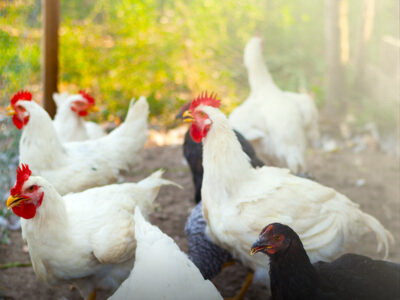
Heat stress in poultry explained
Heat stress is a major form of environmental stress that occurs when ambient temperature and humidity exceed an animal’s capacity to dissipate body heat effectively. Poultry are particularly susceptible due to their high metabolic rate, feather coverage, and lack of sweat glands, which limit their ability to regulate internal temperature through evaporative cooling.
In heat-stressed birds, thermoregulatory mechanisms such as panting, reduced feed intake, and altered blood flow are activated in an attempt to maintain homeostasis. However, when heat accumulation surpasses the bird’s cooling capacity, these mechanisms become insufficient, leading to physiological dysfunction. The resulting imbalance, where more heat is produced or absorbed than can be lost, defines the failure of thermoregulation in poultry.
This failure poses serious implications for health, welfare, and productivity. Elevated body temperatures disrupt metabolic processes, induce oxidative stress, and impair immune responses, resulting in reduced growth performance, poor egg production, and higher mortality rates. Consequently, heat stress represents a significant economic burden to the poultry industry, emphasizing the importance of effective environmental control, nutritional management, and genetic selection for thermotolerance.